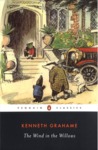
 The Wind in the Willows by Kenneth Grahame
My rating: 4 of 5 stars
Nice and quaint. Reminds me a bit of the world of Beatrix Potter (Peter Rabbit, Benjamin Bunny, the Flopsy Bunnies, etc.) except that it's graduated into that awkward adolescent phase of stories that seem like they were meant for picture books but have the writing chops of an adult novel. Most unabridged versions of this novel will have illustrations of some sort that only bolster its association with children's books, and yet it uses words like "debonair" and "paroxysms" that I probably wouldn't have known at that young of an age... or maybe I'm underestimating what literate kids are actually capable of... or at least back in Grahame's day.
The stories here cover a wide range of classic adventure scenarios and felt really familiar in a way- for anyone who's seen Disney's "The Adventures of Ichabod and Mr. Toad" or remembers Mr. Toad's Wild Ride from Disneyland, this is the book that Mr. Toad's story is adapted from. To be honest, I never really knew the original story in its entirety until reading this book, but I'm a bit glad that the whole hell sequence from the ride wasn't there originally (that was always my least favorite part).
Mr. Toad himself is a pretty iconic and recognizable character, someone who somehow manages to be both impulsive and incredibly conceited while still remaining loyal to his friends at the end of the day; it's really a bit jarring to still feel compelled (or should I say obligated) to like him after seeing all of the crap he pulls off. I have to admit that part of the appeal comes from the fact that decent creatures like Mole and Ratty and Badger are willing to invest in Toad and try to improve him, and in spite of how often the latter brushes aside their efforts to satisfy his own whims, he actually does try to listen to them sometimes. I'm guessing the less sympathetic adults among us in reality would probably have no qualms about throwing Toad's ass in jail and keeping him there in comparison.
Aside from the adventures, there's also the more pensive moments like the Piper at the Gates of Dawn and the Wayfarer chapters that may seem strangely out of place at first given how domineering Toad's narrative is (or maybe it's the other way around since Mole and Ratty came first in the story). But these seem to center more on fundamental emotional experiences and longings, and almost to extremes to the point of inspiring a sense of awe and wanderlust about the world at large for the first time. It gives you this sense that there's so much more going on out there, but without dwelling on it for too long because such heightened awareness tends to only last for so long before people fall back to their usual routines. Such is everyday life.
All in all, a worthwhile read even for adults, if you're looking for a sense of nostalgia without actually needing to have gone through the experience beforehand.

No comments:
Post a Comment